How does ENHANCE transform data into operational intelligence for coastal management?
Deliverable D3.1 – ENHANCE Open One Health Core Platform presents the first release of the project’s core digital infrastructure — the backbone that enables data integration, AI processing, and risk assessment services .
This deliverable translates the conceptual architecture and user requirements defined in WP2 into an operational, cloud-native platform designed to ingest, manage, analyse, and expose environmental and citizen-generated data.
D3.1:
Defines the high-level architecture of the ENHANCE platform, covering data acquisition, management, AI analytics, and visualisation layers
Details a secure identity and access management system based on OpenID Connect and Keycloak, ensuring role-based and GDPR-aligned data governance
Describes the storage and integration layers, built on MinIO (object storage), MongoDB (metadata registry), and a REST API backbone
Explains the deployment model using Docker and Kubernetes, ensuring scalability, modularity, and interoperability
Documents operational pipelines for pressure and impact assessment, including:
Satellite-based chlorophyll-a retrieval from Sentinel-2 imagery
AI-driven biodiversity monitoring from citizen observations
Early-warning indicators for turbidity and algal blooms
Introduces methodologies for dynamic risk mapping, including the Pressure–Impact–Management (PIM) approach and a multi-hazard coastal risk index
The deliverable demonstrates how heterogeneous data — Copernicus Earth Observation, in-situ measurements, and citizen science inputs — are structured into a secure, interoperable ecosystem capable of generating decision-ready outputs .
D3.1 marks the transition from platform design to operational deployment. It establishes the technical foundation upon which ENHANCE services, AI models, and interactive user interfaces will be built and validated in the two pilot regions.
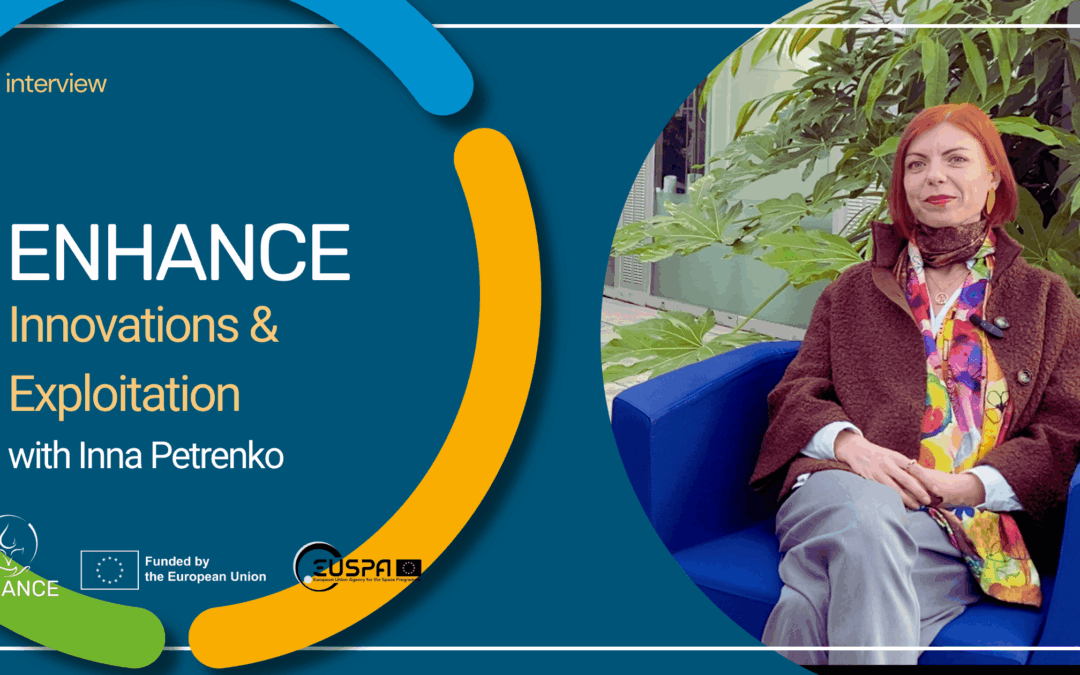
How can businesses anticipate and adapt to climate-related risks? In this video, InnaPetrenko from ENRICHGlobal highlights how innovative tools are helping bridge the gap between environmental data and strategic decision-making.
Developed within the ENHANCE project, the approach combines satellite data, modelling, and multiple data sources to support forward-looking business strategies. The objective is clear: enable organisations to anticipate disruptions, reduce risk, and strengthen long-term resilience.
Beyond risk mitigation, the work also reflects a broader shift—where sustainability becomes a competitive advantage. As market expectations evolve, businesses are increasingly encouraged to align performance with environmental responsibility.
Watch the video to explore how data-driven tools can support more resilient and sustainable business models:
A new collaboration between the ENHANCE and MI-TRAP projects is set to unlock synergies in how environmental data is generated, integrated, and used to support decision-making.
While MI-TRAP advances the monitoring and analysis of transport-related air pollution in urban environments, ENHANCE brings a complementary dimension through its One Health approach to coastal management, integrating environmental, human, and ecosystem health perspectives.
Connecting air quality monitoring with integrated environmental intelligence
MI-TRAP develops innovative monitoring instrumentation and analytical tools to track pollutants, assess transport emissions, and evaluate their impact on air quality and health.
ENHANCE builds on this type of data by delivering a data fusion infrastructure capable of integrating multiple data streams — including Copernicus Marine data, EGNSS services, and citizen science inputs — into a unified framework for environmental intelligence.
Through this synergy, insights from MI-TRAP’s urban air quality monitoring can be better contextualised within broader environmental systems, including coastal and climate-related pressures.
Key areas of collaboration
The collaboration focuses on concrete complementarities between the two projects:
Citizen science and data co-creation MI-TRAP actively engages citizens in air quality monitoring and awareness. ENHANCE extends this by integrating citizen-generated data into operational services, ensuring it contributes directly to environmental assessments and decision-support tools.
Advanced data integration and interoperability MI-TRAP produces high-resolution, real-time data on transport emissions. ENHANCE contributes a robust data collection and fusion architecture, designed to enable real-time data communication and interoperability across heterogeneous sources, including satellite and in-situ observations.
From environmental data to decision-support services MI-TRAP supports the evaluation of mitigation measures and regulatory effectiveness. ENHANCE goes a step further by developing three dedicated services/products to analyse environmental pressures (urban, agricultural, climate extremes) and their impacts under a One Health framework, directly supporting policymakers and stakeholders.
Co-creation and Living Labs Both projects adopt participatory approaches. ENHANCE operationalises this through structured stakeholder engagement and co-creation processes, ensuring that solutions are aligned with user needs and validated in real-world coastal case studies.
Towards integrated, cross-domain environmental solutions
This collaboration highlights the importance of connecting environmental domains that are often addressed separately.
By linking urban air quality monitoring (MI-TRAP) with integrated coastal and environmental intelligence systems (ENHANCE), the two projects contribute to a more holistic understanding of environmental pressures and their impacts on ecosystems and human health.
Ultimately, this joint effort supports the transition towards more connected, data-driven, and participatory environmental governance in Europe, in line with the ambitions of the EU Green Deal and the Zero Pollution Action Plan.
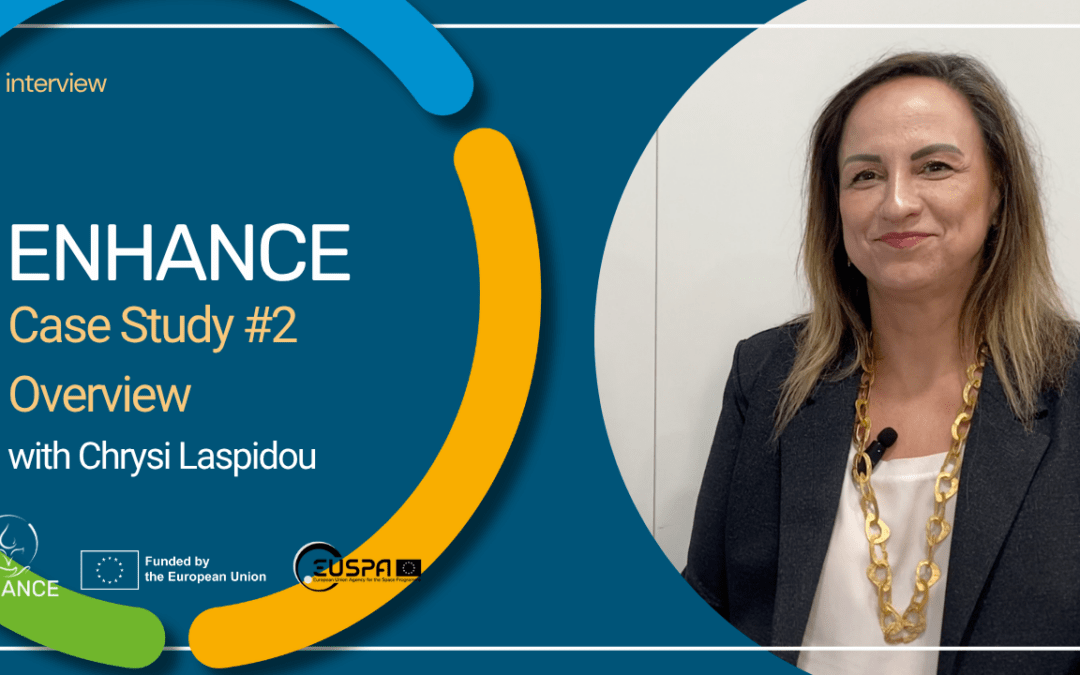
How do we truly understand the impact of climate-driven disasters on communities? A new video featuring Professor Christy Laspidou explores an emerging approach that connects human, animal, and environmental health into one unified framework.
Strengthening Coastal Resilience Through One Health
Focusing on a case study in Central Greece, the video reflects on the cascading effects of extreme weather events—from flooding to ecosystem disruption—and what they reveal about the vulnerabilities of coastal regions today.
Rather than treating health in isolation, this work introduces a structured way to assess how interconnected systems respond under pressure. By combining satellite data with citizen-driven observations, the approach aims to support more informed decision-making and future policies.
Watch the video to discover how science, data, and cross-sector collaboration are shaping a more integrated understanding of resilience.
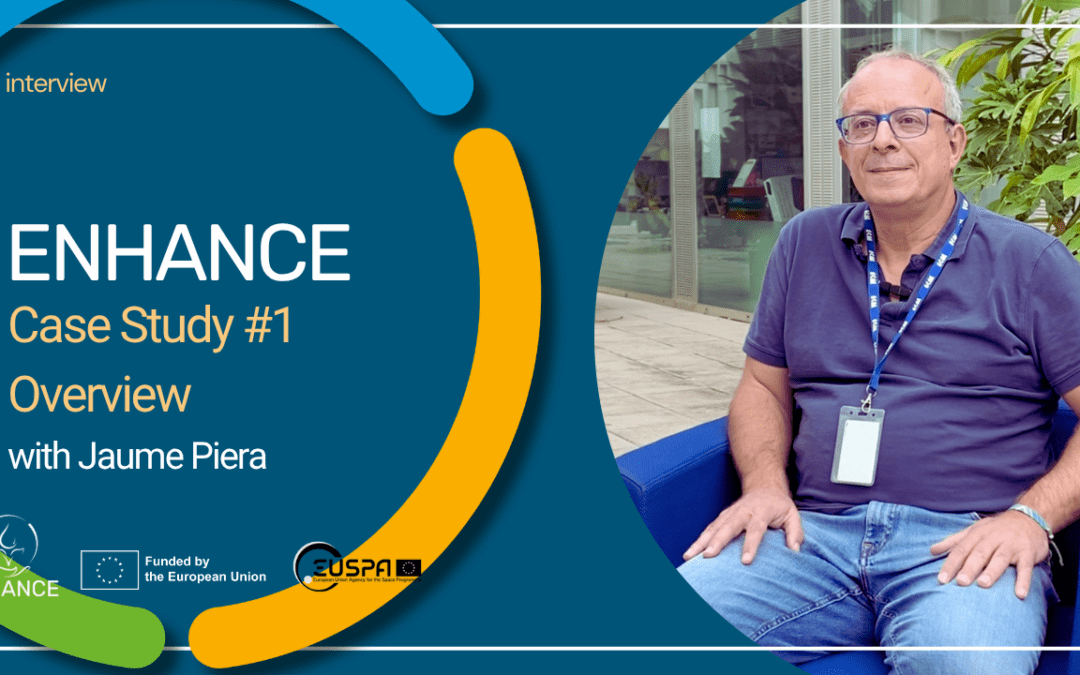
How can communities help us better understand marine ecosystems? In this video, researcher Jaume Piera shares how local engagement is transforming data collection in both urban and rural coastal environments.
Citizen Science Driving Coastal Knowledge
From the beaches of Barcelona to the agricultural landscapes of the Ebro Delta, the work highlights how different settings face distinct environmental pressures—and how citizen participation can help capture these dynamics in real time.
At the core of this effort is a growing community of volunteers contributing observations on marine biodiversity. But turning this raw, uneven data into meaningful insights remains a key challenge.
Watch the video to see how citizen science is advancing coastal monitoring and shaping future environmental management.
Introducing the ENHANCE Project and the One Health Approach
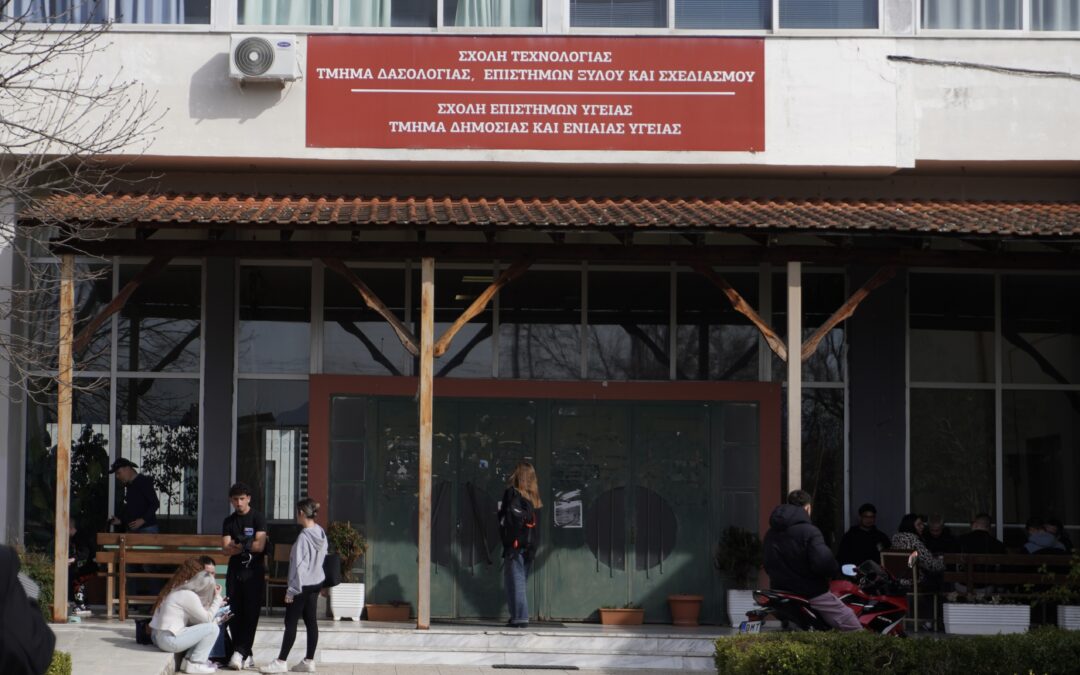
On 6 March 2026, the workshop “ENHANCE Living Lab | Co-creating One Health” took place at the Department of Public and One Health of the University of Thessaly as part of the Environmental Health course. The event brought together 69 participants, including 56 students, and introduced the ENHANCE project while involving participants in testing its developing digital tools.
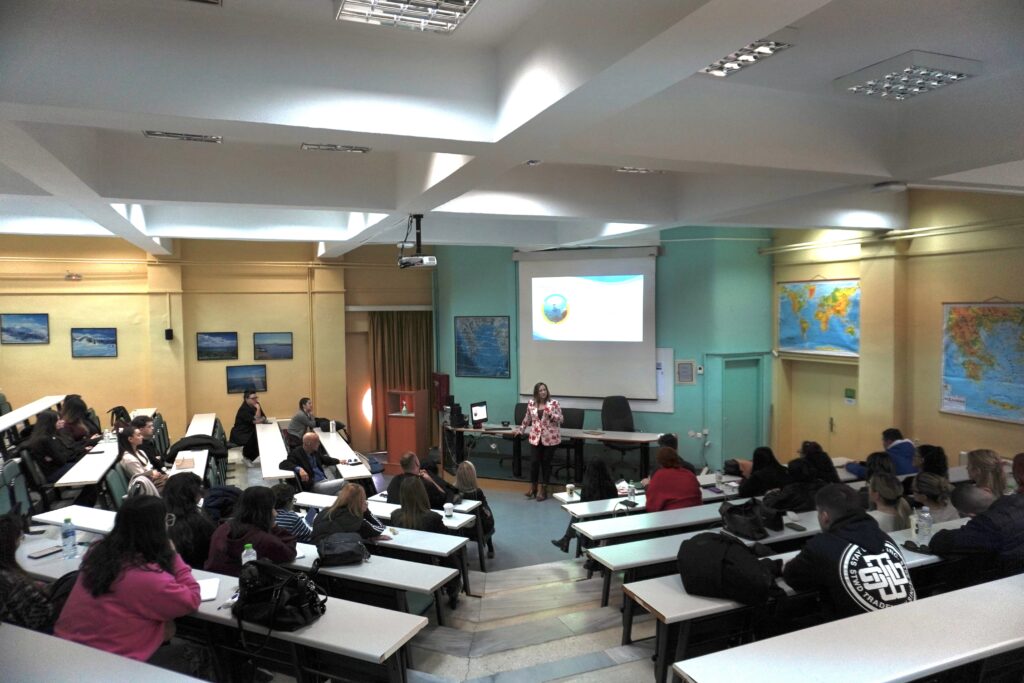
The workshop opened with a presentation by Professor Chrysi Laspidou, Vice-Rector for Innovation, Internationalization, Collaborations and Digital Governance at the University of Thessaly and Scientific Coordinator of ENHANCE at the university. She presented the project’s One Health approach to coastal management, highlighting how ENHANCE combines scientific research, satellite data and technological tools to support sustainable coastal ecosystem management.
Researchers from the project team then presented key scientific aspects of ENHANCE. Dr. Alexandra Ioannou introduced the project’s One Health framework for coastal risk assessment, Dr. Evmorfia Bataka explained the sampling protocol linking satellite and field data, and Nikolaos Kokosis, PhD candidate at the University of Thessaly, presented approaches for risk quantification in coastal environments.
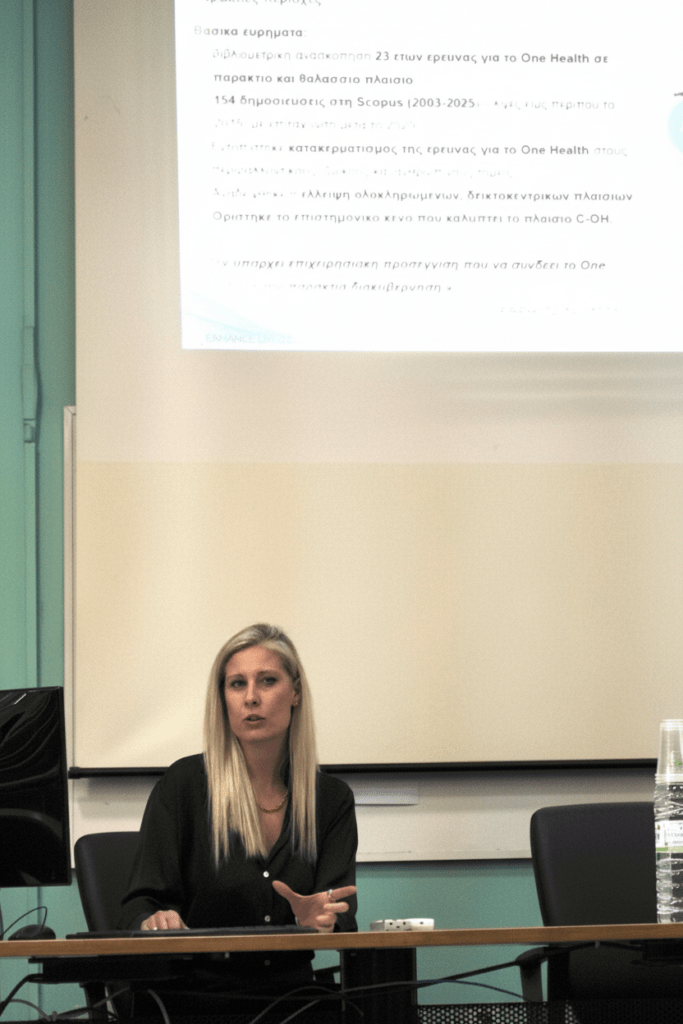
Chrysi Laspidou talking to the audience of the University of Thessaly
Testing the ENHANCE Toolkit Through Co-creation
A central part of the workshop was a participatory co-creation exercise where participants tested the prototype ENHANCE Toolkit. The activity, coordinated by researchers from AMARANTHUS, aimed to gather feedback from potential users to improve the platform’s design and functionality.
Participants explored two use cases: one designed for swimmers and divers and another for teachers. Discussions focused on the accessibility and usability of the toolkit, including data availability, map resolution, and the need for clear visualisations that are understandable to different user groups. Participants also highlighted the importance of training materials and long-term sustainability to ensure broader adoption of the platform.
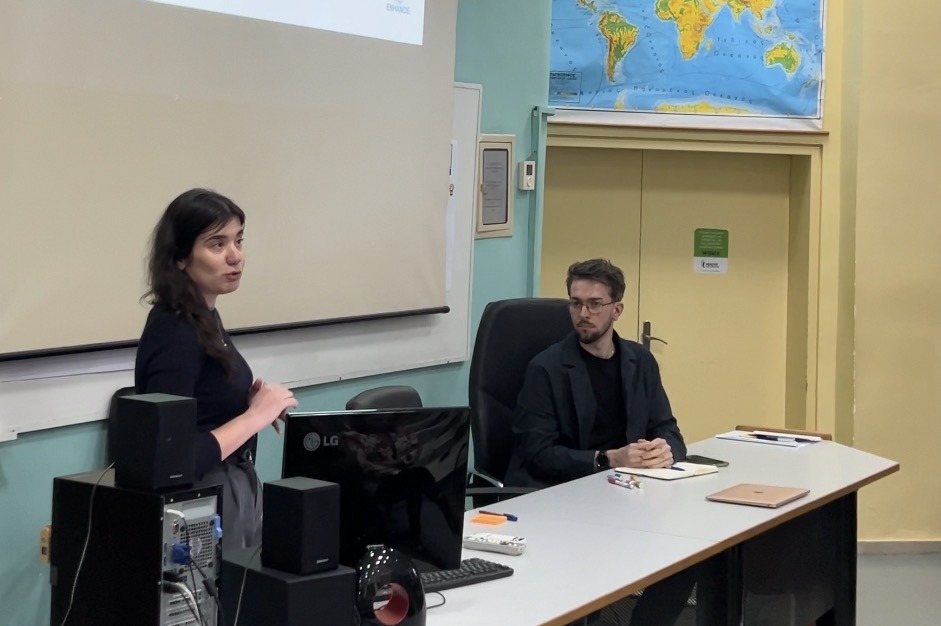
Chrysi Laspidou (left) & Alexandra Ioannou (right)
Feedback to Improve the Toolkit
Several ideas were proposed to improve the toolkit. These included water quality and safety notifications, integration of citizen observations, and connections with other environmental platforms. For educational applications, participants suggested integrating the toolkit into teaching activities through learning resources, scenario-based exercises, quizzes, and access to scientific literature.
Overall, the workshop demonstrated the value of co-creation in developing accessible digital tools that support research, education, and citizen engagement in coastal sustainability. The feedback collected will help further refine the ENHANCE Toolkit and strengthen its role in promoting the One Health approach to coastal ecosystem management.
Georgia Tseva and Argyrios Balatsoukas presenting the ENHANCE project