Introducing the ENHANCE Project and the One Health Approach
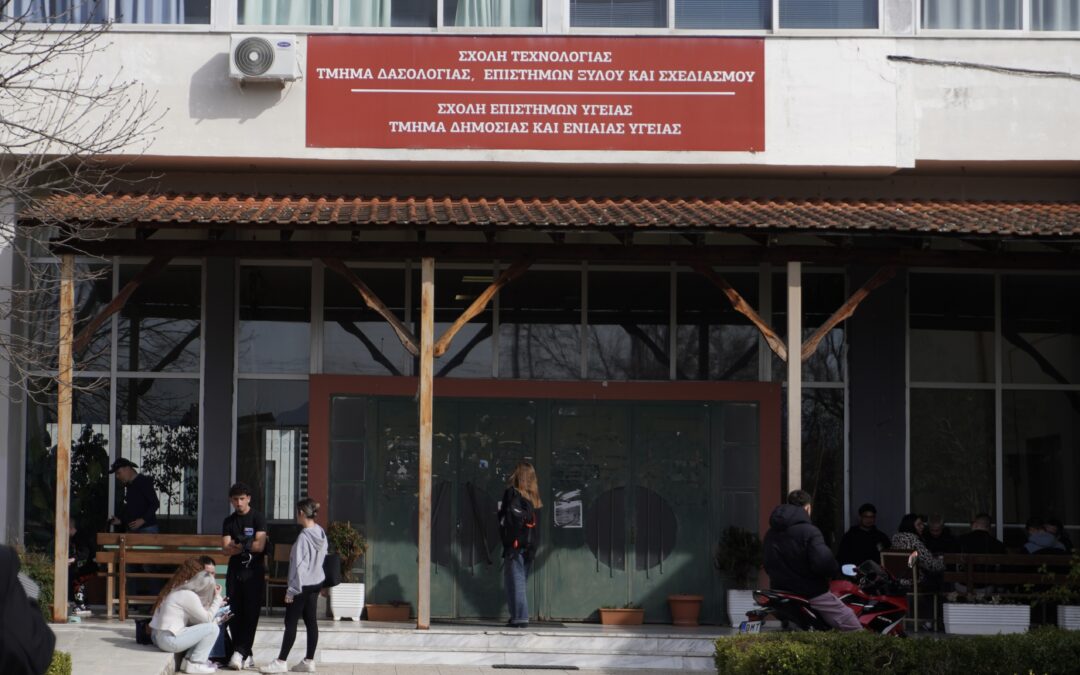
On 6 March 2026, the workshop “ENHANCE Living Lab | Co-creating One Health” took place at the Department of Public and One Health of the University of Thessaly as part of the Environmental Health course. The event brought together 69 participants, including 56 students, and introduced the ENHANCE project while involving participants in testing its developing digital tools.
The workshop opened with a presentation by Professor Chrysi Laspidou, Vice-Rector for Innovation, Internationalization, Collaborations and Digital Governance at the University of Thessaly and Scientific Coordinator of ENHANCE at the university. She presented the project’s One Health approach to coastal management, highlighting how ENHANCE combines scientific research, satellite data and technological tools to support sustainable coastal ecosystem management.
Researchers from the project team then presented key scientific aspects of ENHANCE. Dr. Alexandra Ioannou introduced the project’s One Health framework for coastal risk assessment, Dr. Evmorfia Bataka explained the sampling protocol linking satellite and field data, and Nikolaos Kokosis, PhD candidate at the University of Thessaly, presented approaches for risk quantification in coastal environments.
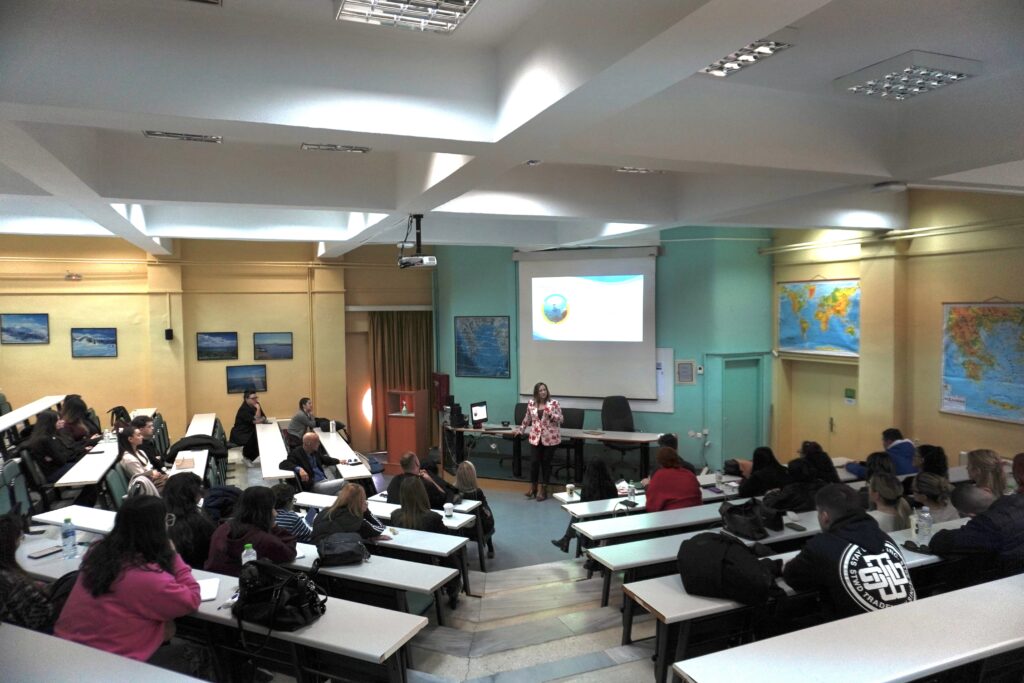
Chrysi Laspidou talking to the audience of the University of Thessaly
Testing the ENHANCE Toolkit Through Co-creation
A central part of the workshop was a participatory co-creation exercise where participants tested the prototype ENHANCE Toolkit. The activity, coordinated by researchers from AMARANTHUS, aimed to gather feedback from potential users to improve the platform’s design and functionality.
Participants explored two use cases: one designed for swimmers and divers and another for teachers. Discussions focused on the accessibility and usability of the toolkit, including data availability, map resolution, and the need for clear visualisations that are understandable to different user groups. Participants also highlighted the importance of training materials and long-term sustainability to ensure broader adoption of the platform.

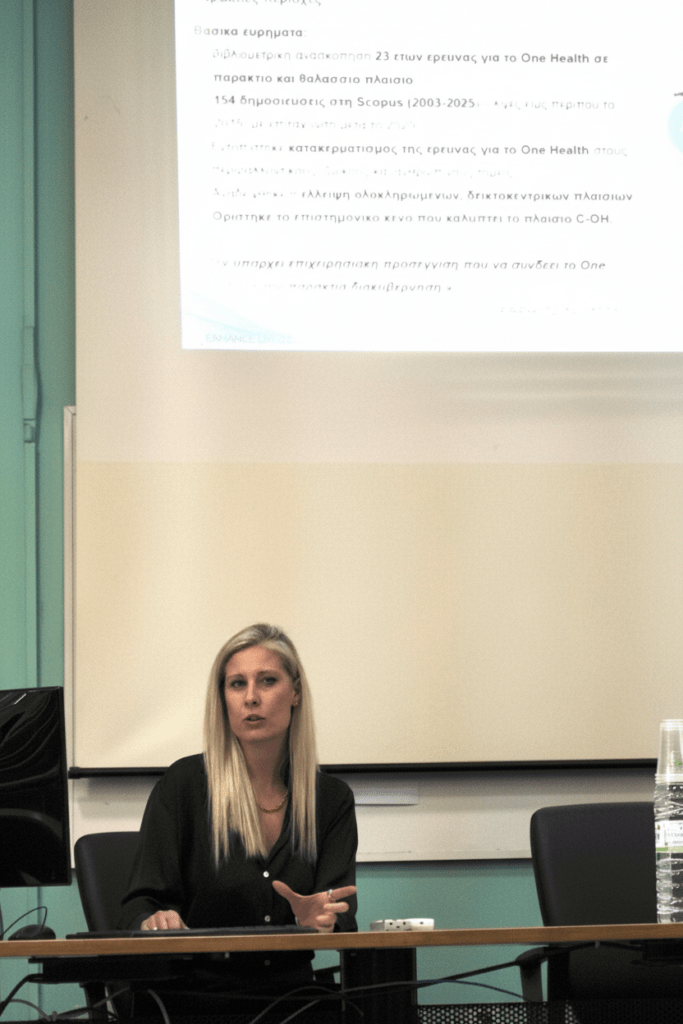
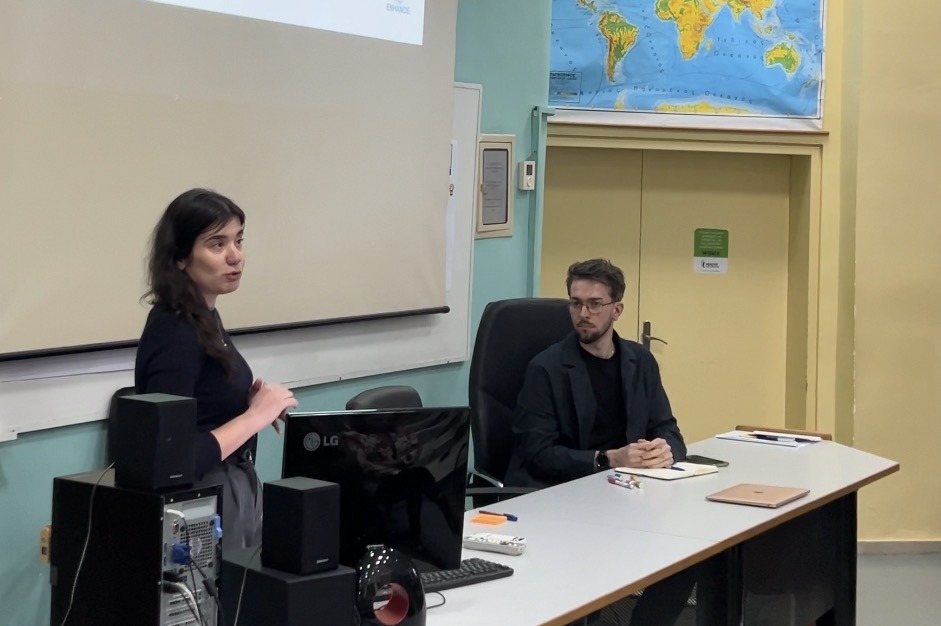
Chrysi Laspidou (left) & Alexandra Ioannou (right)
Feedback to Improve the Toolkit
Several ideas were proposed to improve the toolkit. These included water quality and safety notifications, integration of citizen observations, and connections with other environmental platforms. For educational applications, participants suggested integrating the toolkit into teaching activities through learning resources, scenario-based exercises, quizzes, and access to scientific literature.
Overall, the workshop demonstrated the value of co-creation in developing accessible digital tools that support research, education, and citizen engagement in coastal sustainability. The feedback collected will help further refine the ENHANCE Toolkit and strengthen its role in promoting the One Health approach to coastal ecosystem management.