What do coastal professionals need from ENHANCE’s tools—and how can we make them more useful in their daily work? These questions guided our latest Living Labs and exploitation workshops in Volos and Barcelona on 16 and 19 October 2026.
The two events marked an exciting step for ENHANCE, bringing our tools and research results to a wider audience across both case study locations. Through presentations, demonstrations and participatory exercises, participants explored the tools and shared the practical needs that will guide their further development.
Volos: connecting One Health, coastal monitoring and local needs
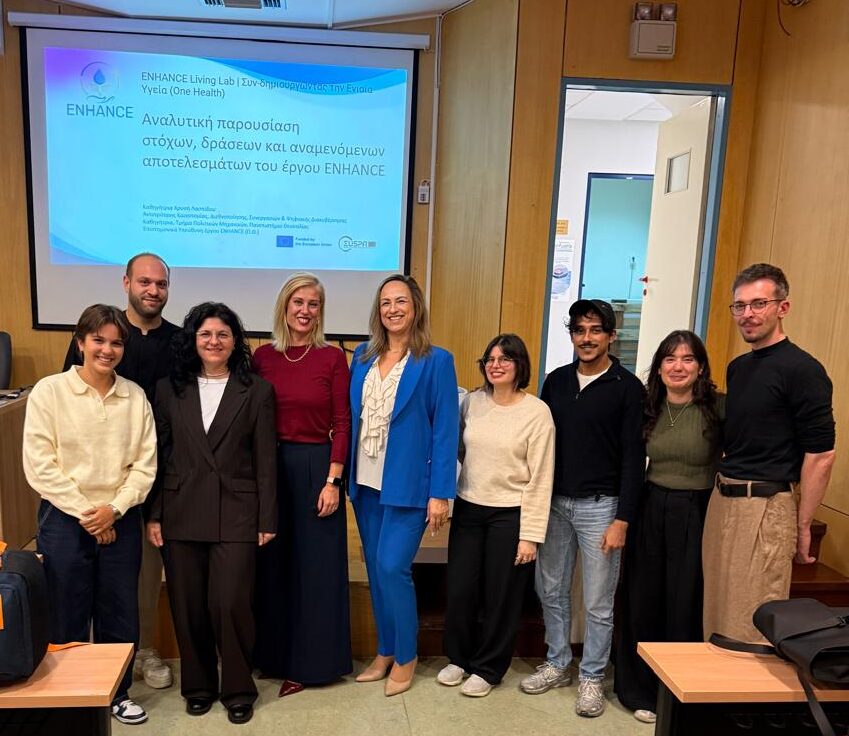
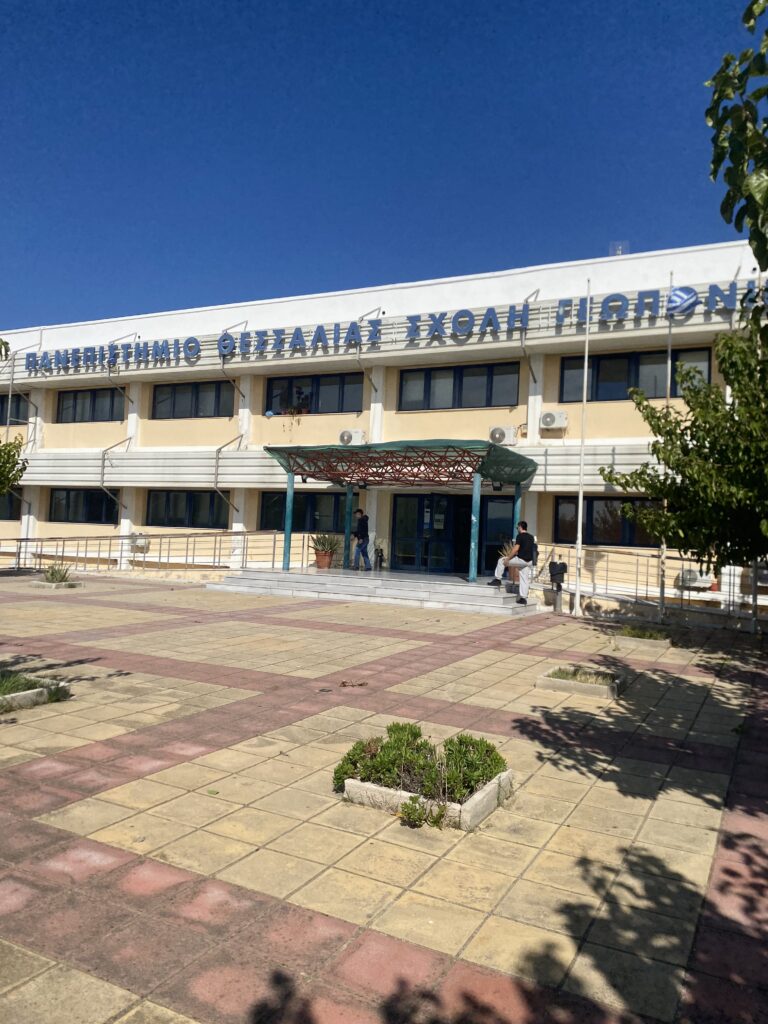
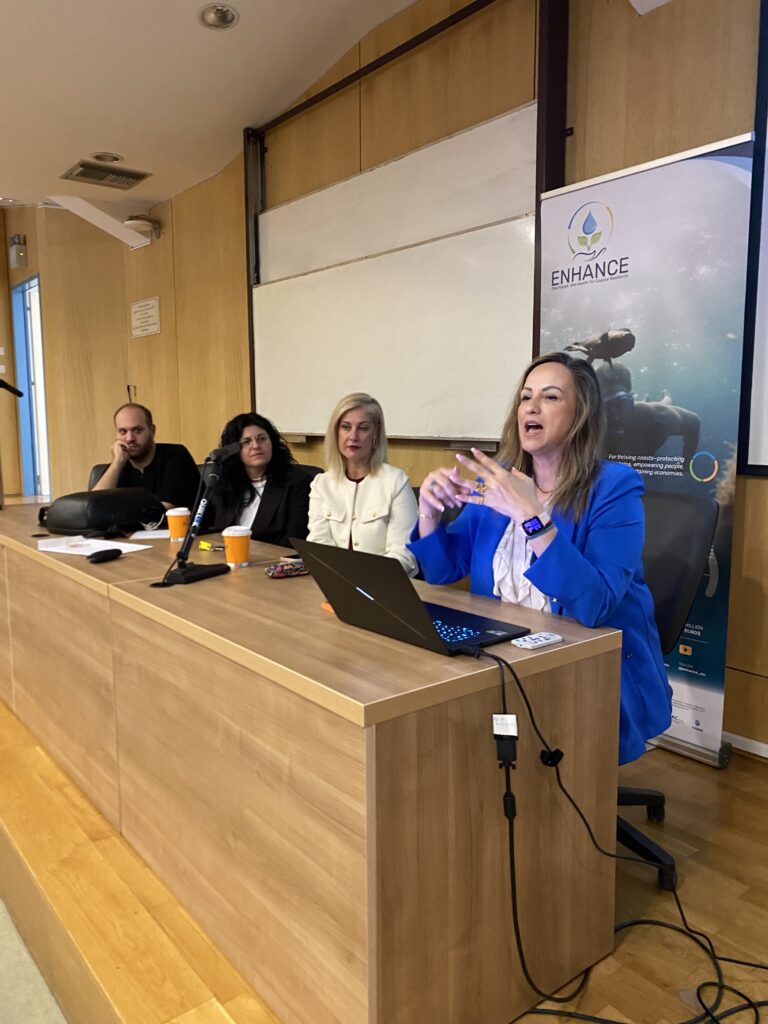
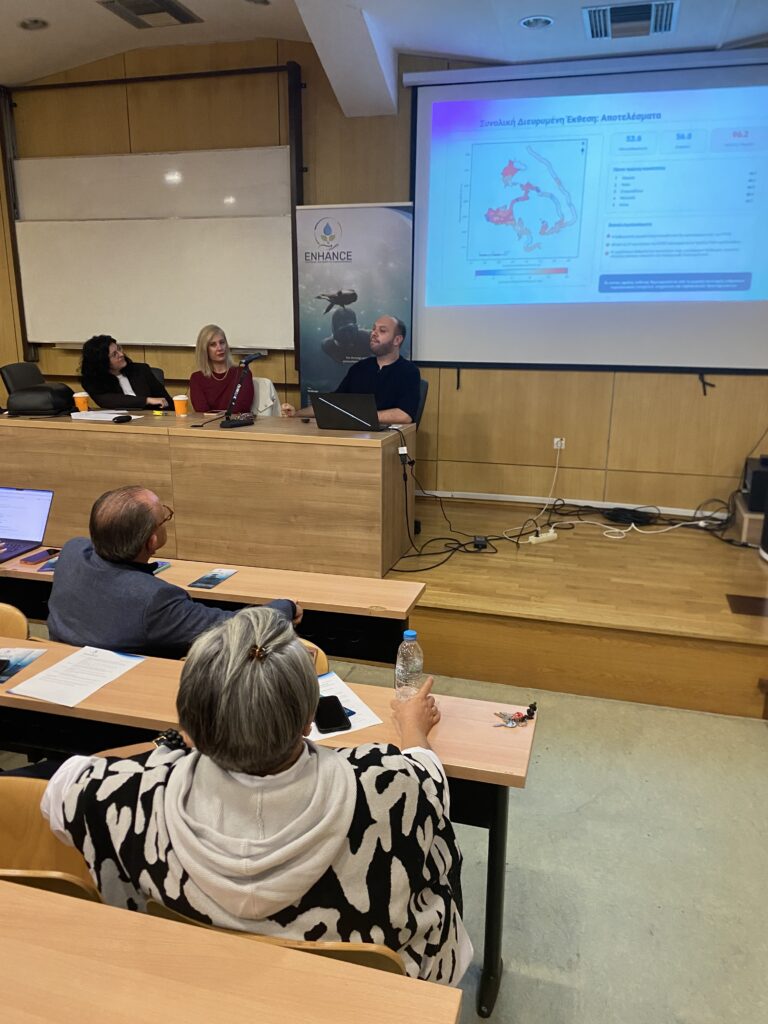
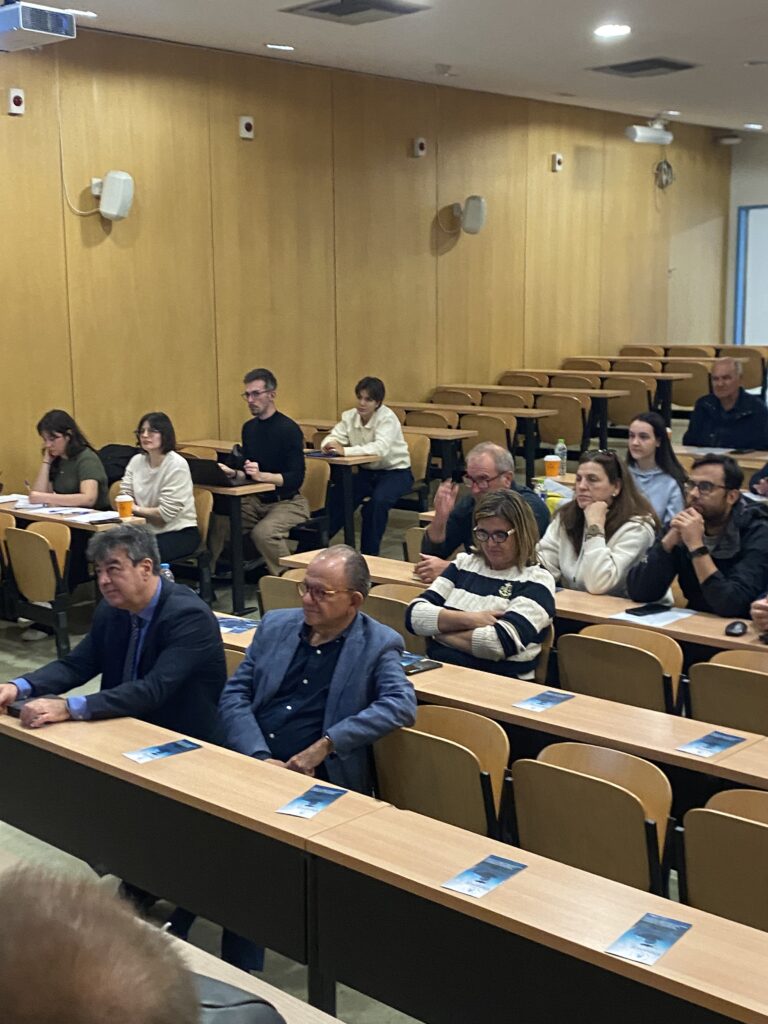
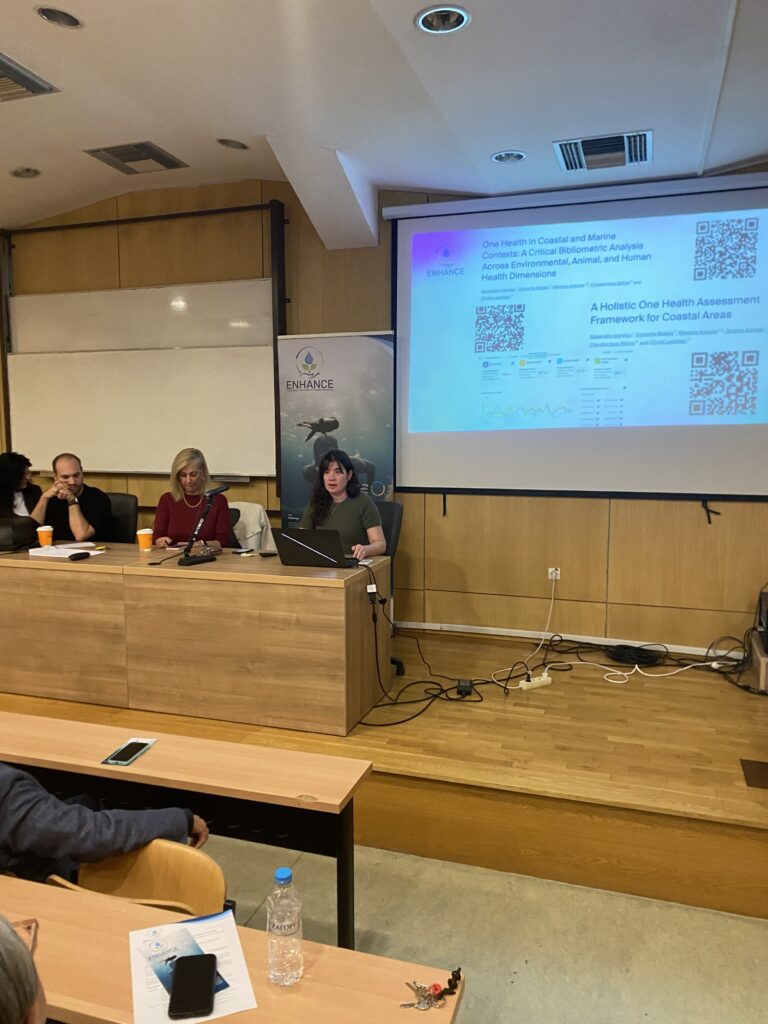
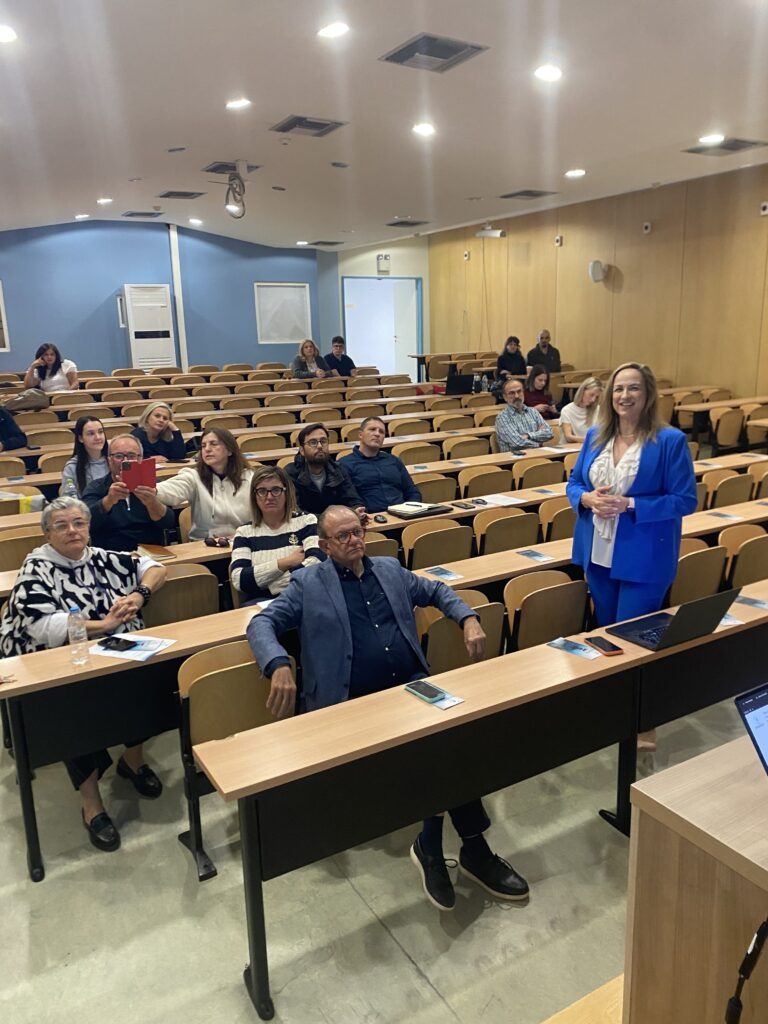
On Friday 16 October, the University of Thessaly’s Department of Ichthyology and Aquatic Environment welcomed health experts, veterinarians, academics and fishers for a workshop dedicated to the Pagasitikos Gulf.
Rector Charalambos Bilinis and Vice-Rector for Innovation, Internationalization and Digitial Governance Chrysi Laspidou opened the event and introduced the project, setting the scene for presentations from the ENHANCE team.
Alexandra Ioannou explained the One Health concept, which recognises the connections between human, animal and environmental health, and presented its adaptation to coastal areas through relevant indicators. Evmorfia Bataka then demonstrated how Earth Observation data and remote sensing support the monitoring of turbidity and chlorophyll-a. Nikos Kokosis showed how these data feed into the risk maps available through the ENHANCE platform.
The presentations were followed by a short survey and discussions led by Georgia Tseva. Participants shared their immediate needs and considered how ENHANCE’s tools could support their work, helping the team connect the platform’s capabilities with priorities from the field.
Barcelona: bringing citizen science into the conversation
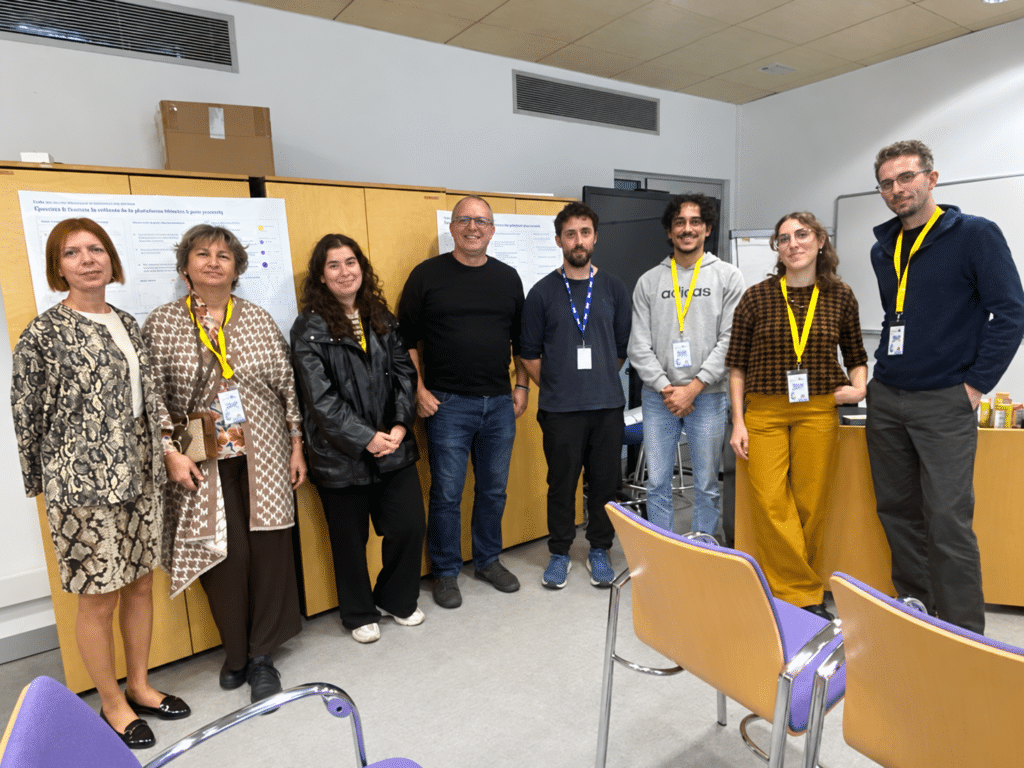
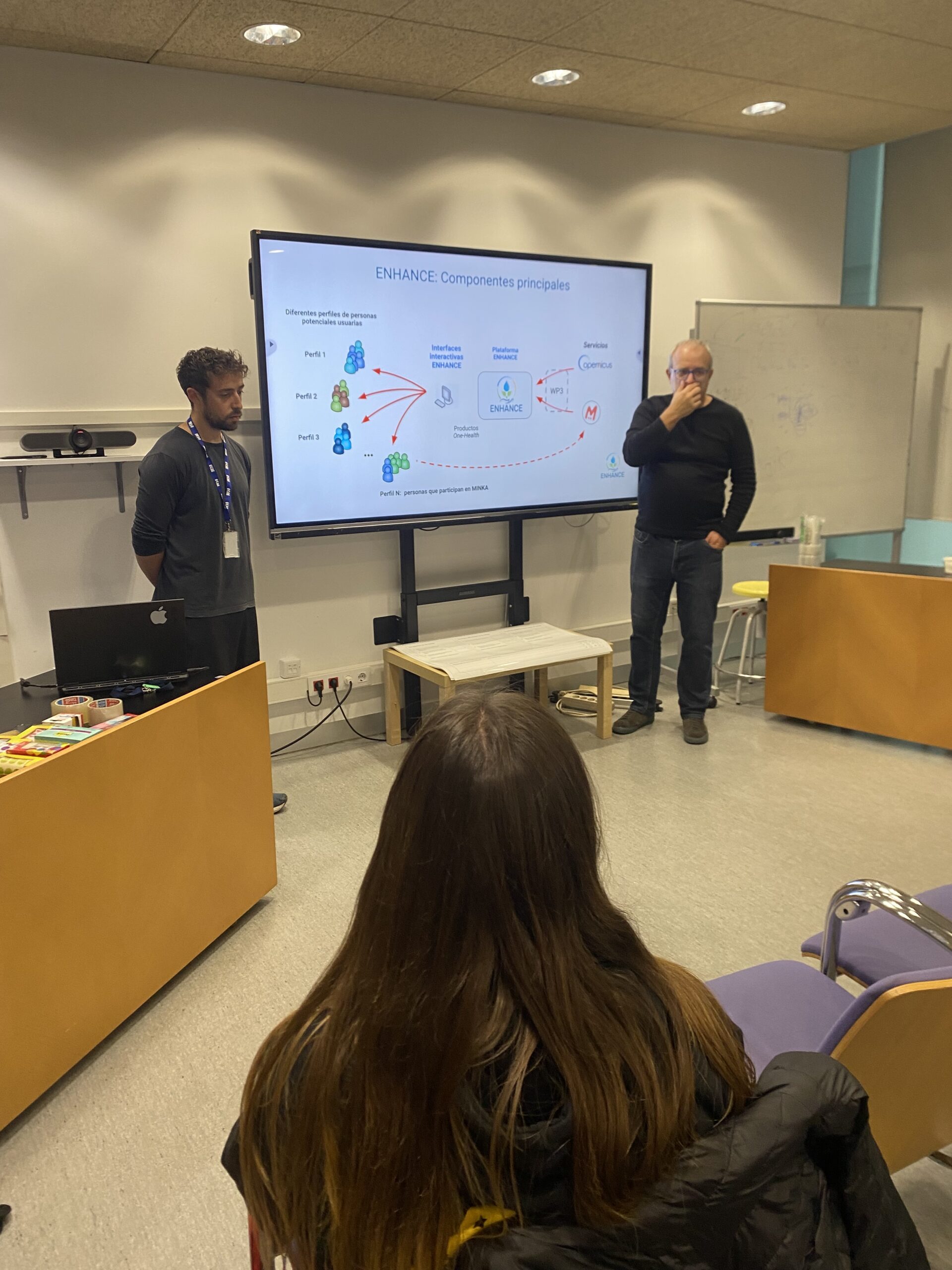
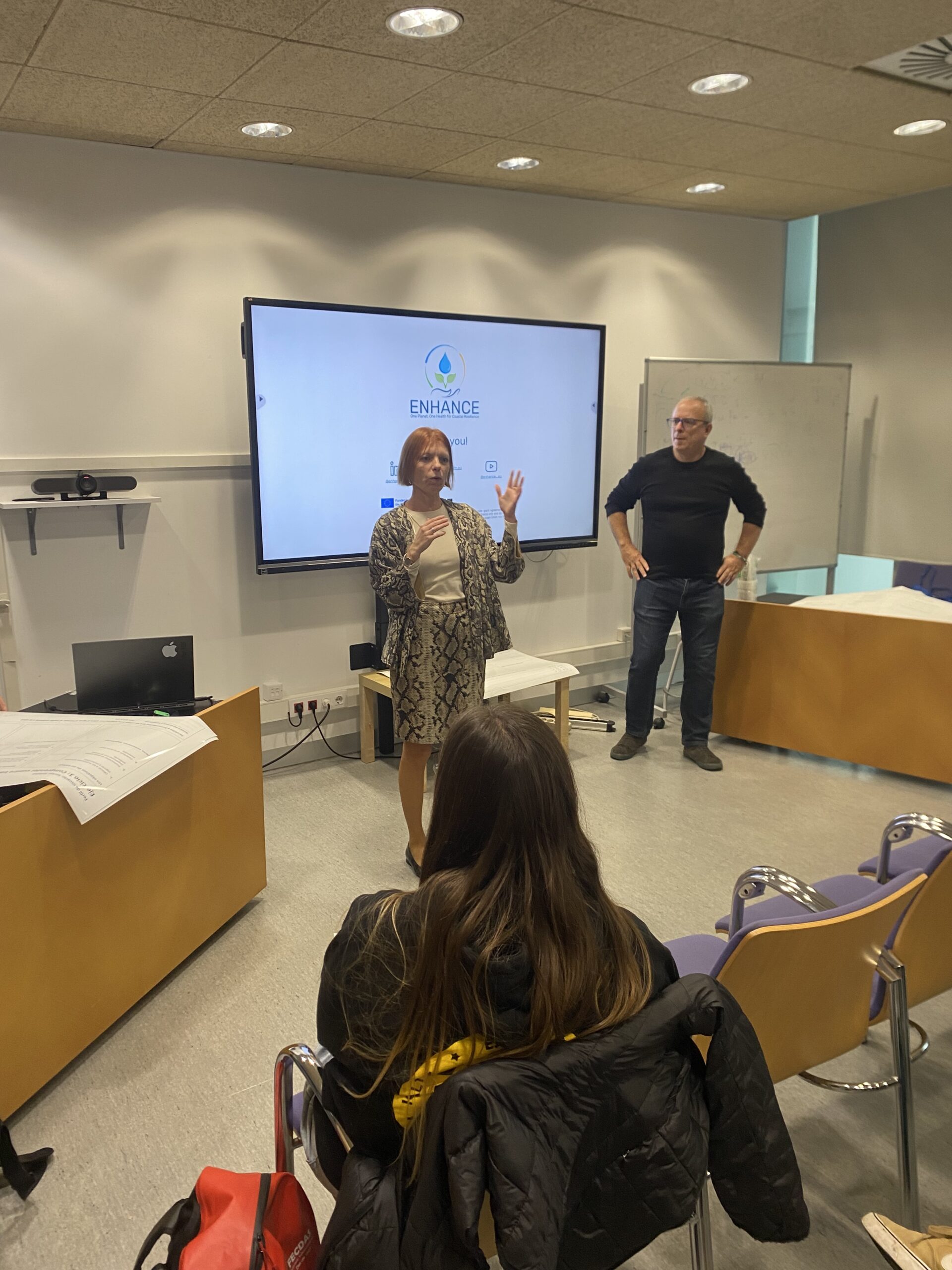
On Monday 19 October, Andreu Fornos and Jaume Piera welcomed participants to the Institut de Ciències del Mar (ICM) in Barcelona to explore the tools being developed for the Barcelona Urban Beaches case study.
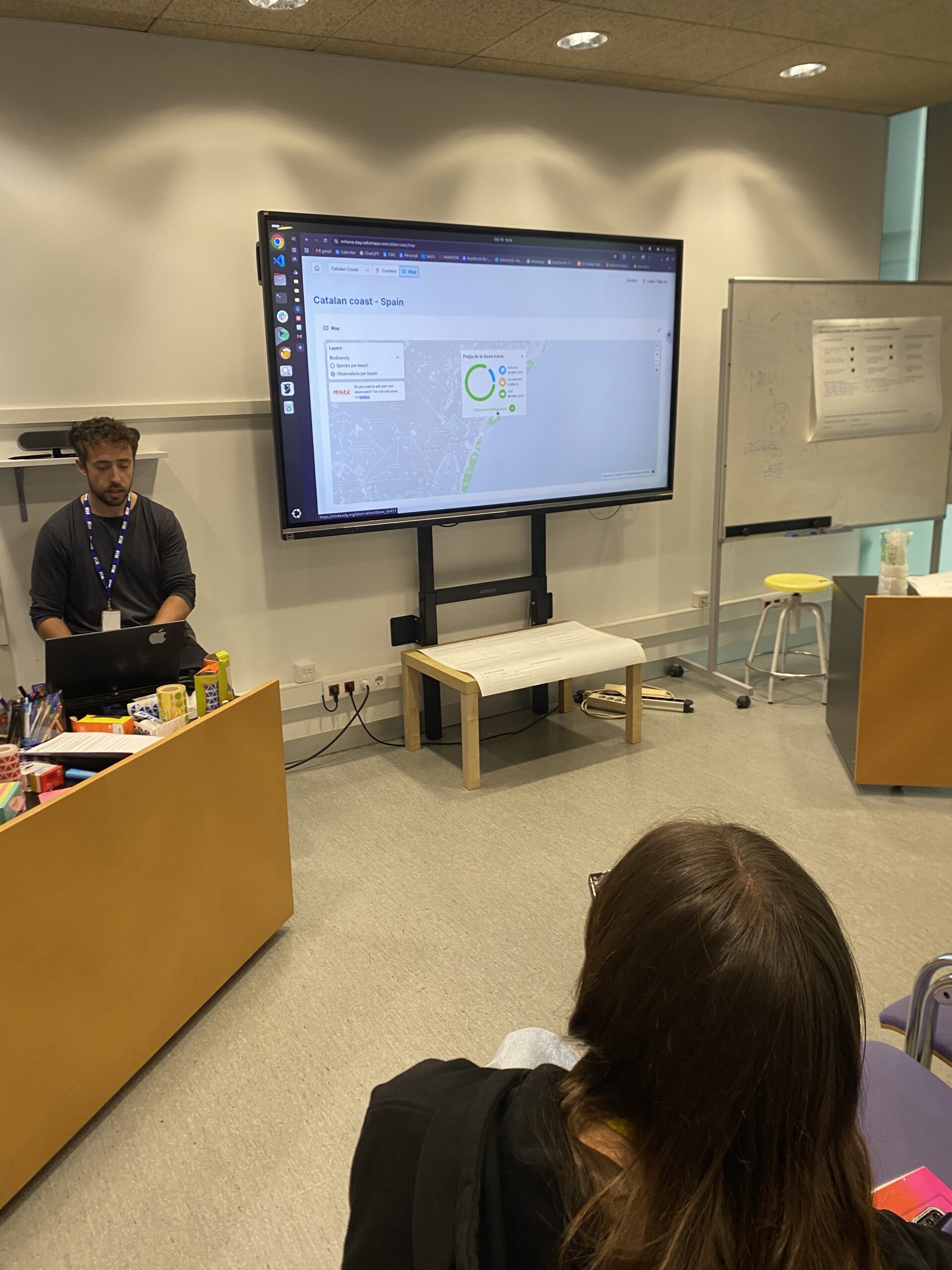
Their presentations highlighted the integration of data from the MINKA citizen science observatory to help monitor biodiversity along the Catalan coast. This offered participants a closer look at how citizen observations contribute to understanding coastal ecosystems and their health.
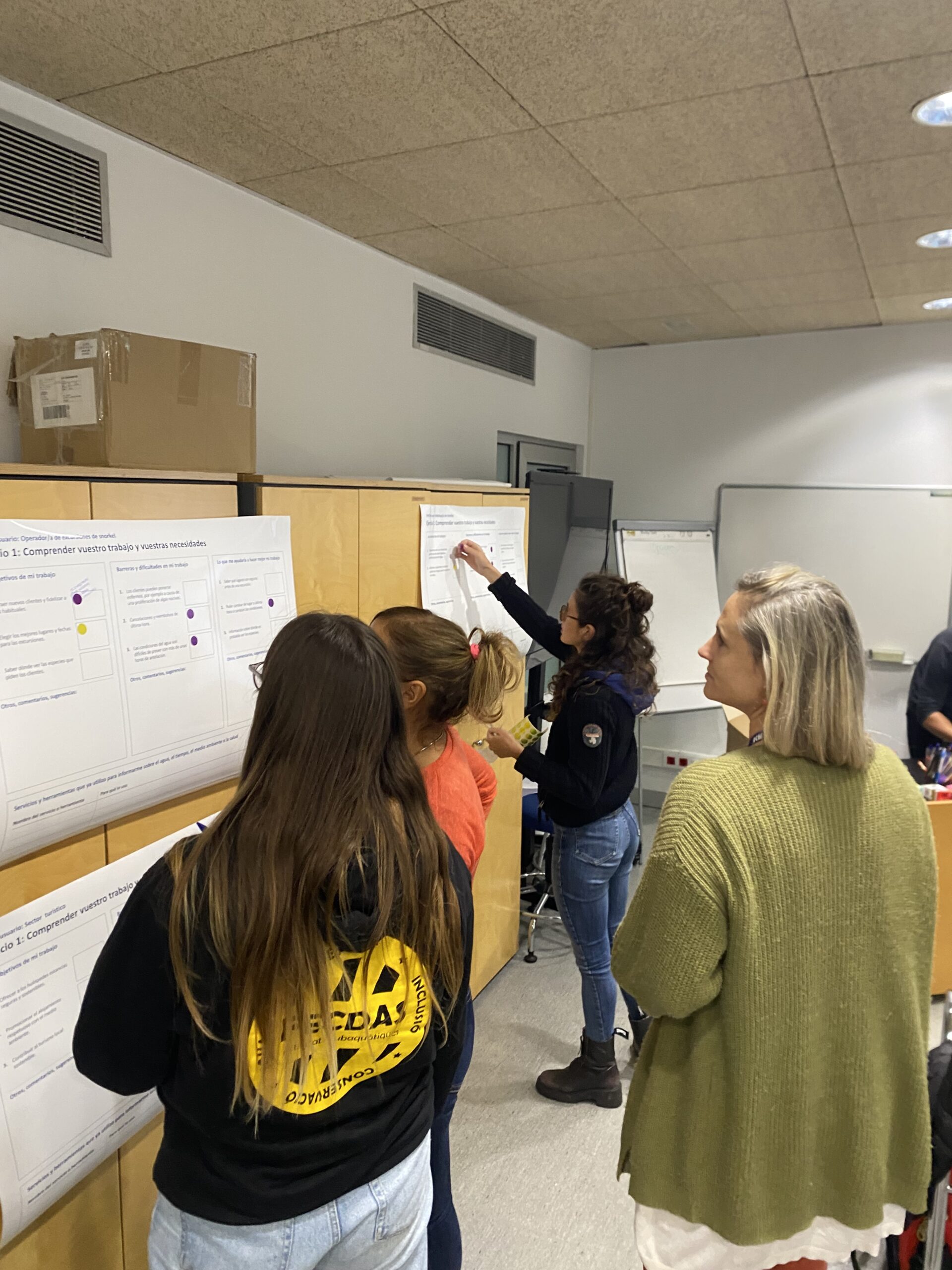
Inna Petrenko and Oihana Luque Armand led a participatory exercise gathering participants’ perspectives and first-hand experiences. Professors, healthcare professionals, water quality specialists and city representatives discussed their professional objectives, the challenges they encounter and the tools and resources they need.
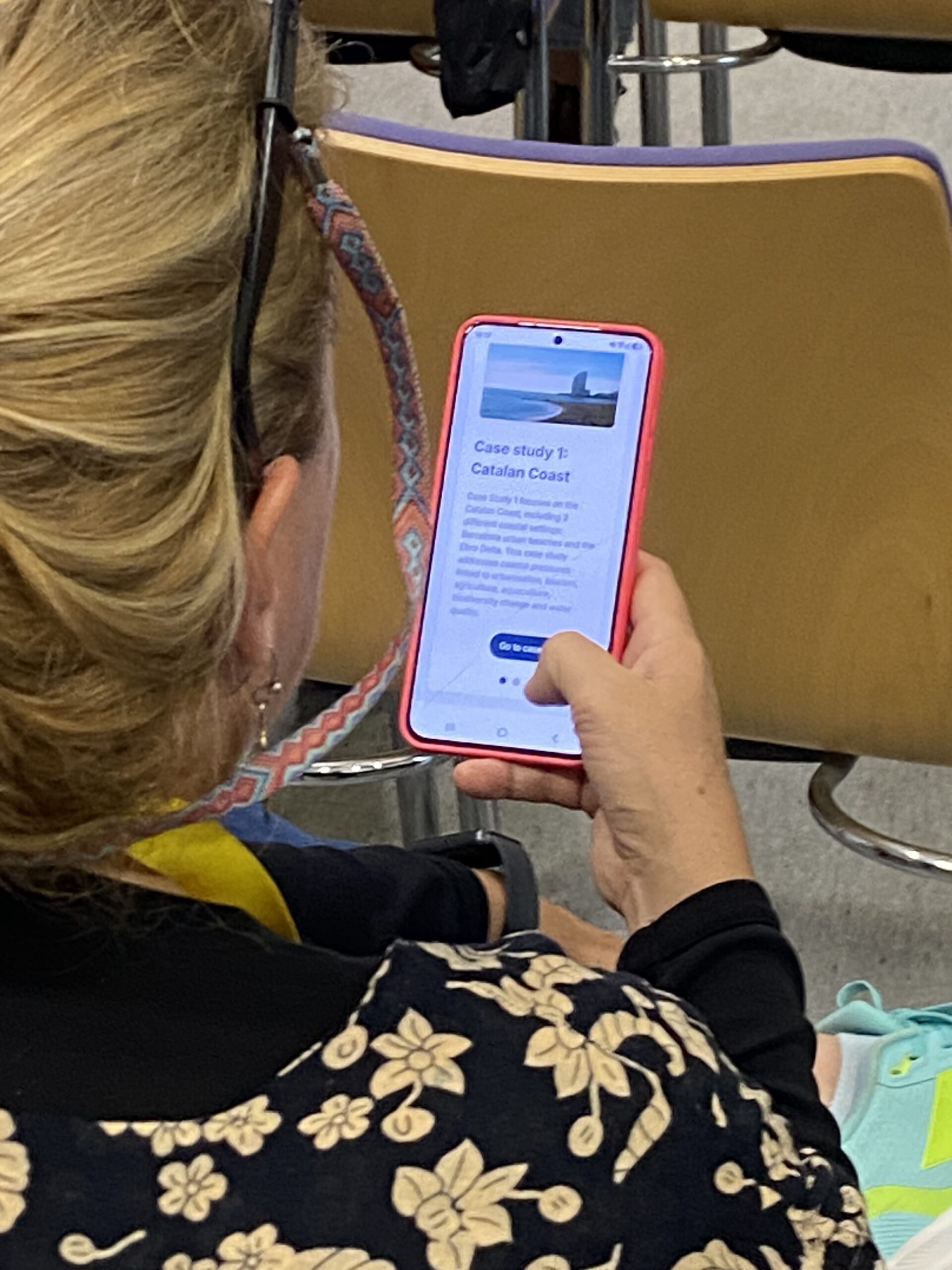
Following the tool demonstrations, participants rated the tools according to their usefulness for their own work. Their responses provided valuable feedback on how ENHANCE can better support different professional roles.
Turning feedback into further improvements
Across both locations, the enthusiasm and constructive discussions showed encouraging connections between ENHANCE’s results and the needs expressed by participants. The workshops also provided valuable input to help both case study teams refine their tools ahead of their public release.
These exchanges are central to the Living Lab approach: involving the people who may use the tools in shaping their development. By bringing research results into conversation with practical experience, ENHANCE is taking another step towards tools that respond to coastal communities’ needs.
Thank you to everyone who joined us, shared their experiences and contributed to these discussions.
Stay tuned—we will be sharing more insights from both events soon!